Maker Summit @ GRASP2026
We invite all Fablabs and Makerspaces in Denmark (and the Rigsfællesskab and neighbouring countries, if they want) to a Maker Summit 2026 at the GRASP Festival.
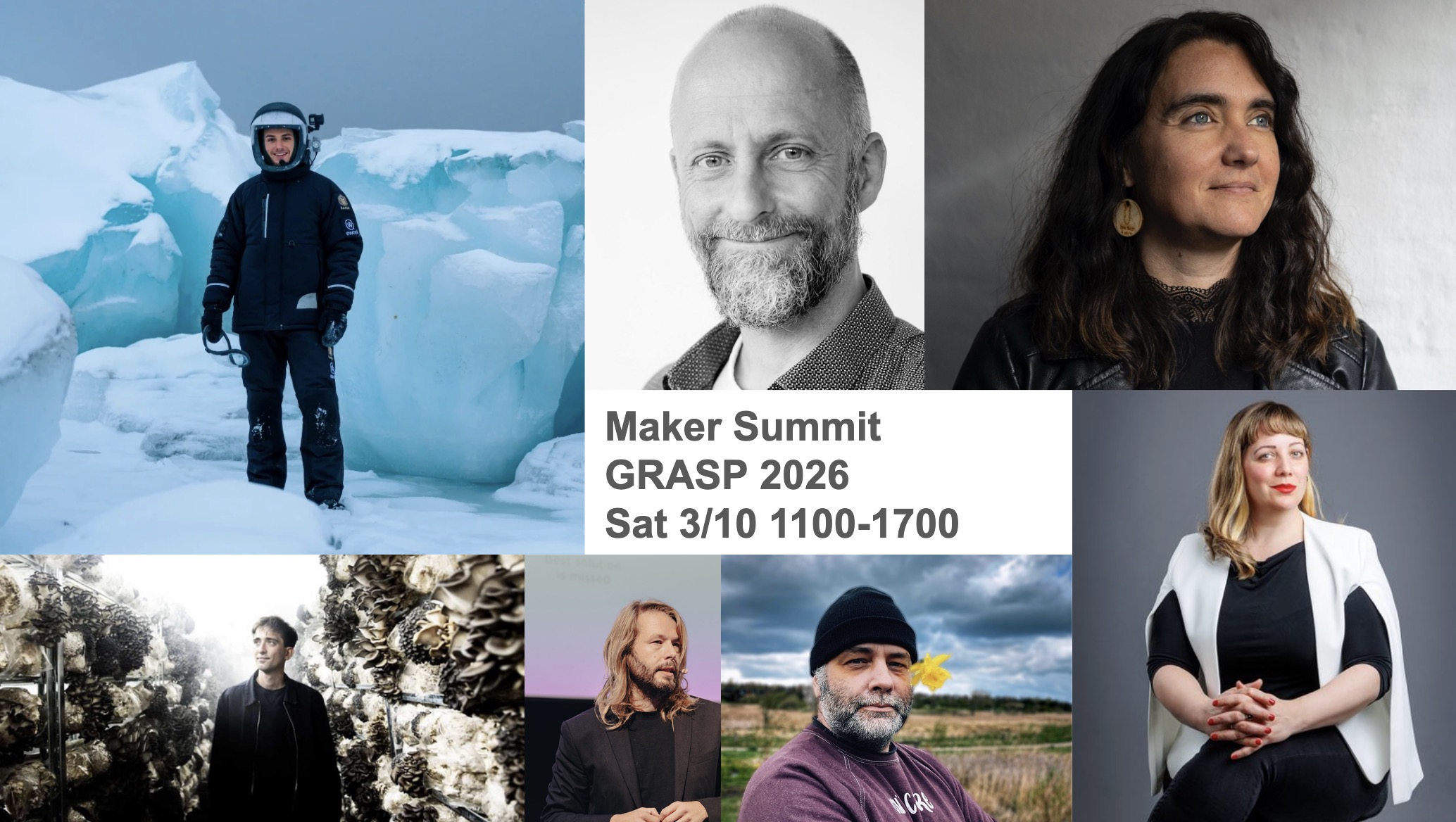
The Maker Summit program element will take place from 11.00 on Saturday, October 3rd, until 17.00. Free pizza from 1540.
If you only want the Maker Summit in Orange Makers, just turn up, no sign up required.
If you want to participate in GRASP Festival, sign up for 100 kr here
Facebook event
Programme
Arrival 1100 sat 3rd October in Orange Makers, Musicon, Roskilde (Between Rockmuseet and Roskilde Festival Højskole) here
1115-1120 Welcome
1120-1150 Vanessa J. Carpenter - Femtech, Women’s Health Innovation Advisor, Author of Designing Femtech (in English)
Who Gets Designed For? Three Lessons from Designing Femtech
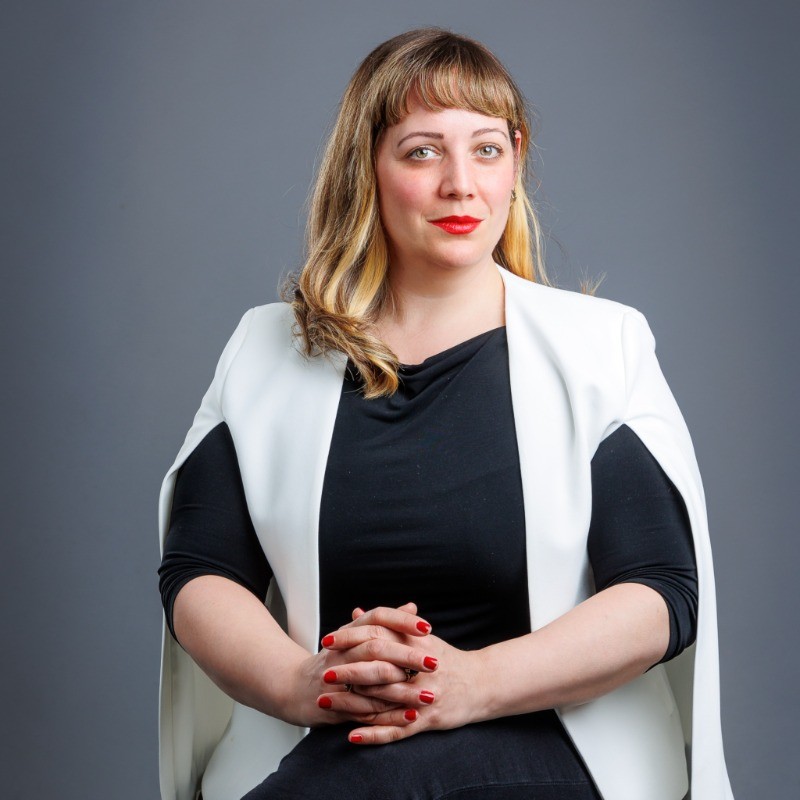
For decades, health technologies have been shaped by incomplete data, default bodies and assumptions about who the user is. Drawing on 30 interviews for her upcoming book Designing Femtech, Vanessa Julia Carpenter shares three lessons from the rapidly evolving field of women’s health technology, and asks what changes when we start designing for bodies, lives and experiences that innovation has too often overlooked. https://designingfemtech.com
1150-1220 (30 mins) Pernille Bjørn, Professor, Human-Centred Computing, Department of Computer Science (DIKU), Distinguished ACM Member, pioneering female professor in computer science, author of Diversity in Computer Science: Design Artefacts for Equity and Inclusion
What are we building at University of Copenhagen? The vision and reality of the SCIENCE Makerspace
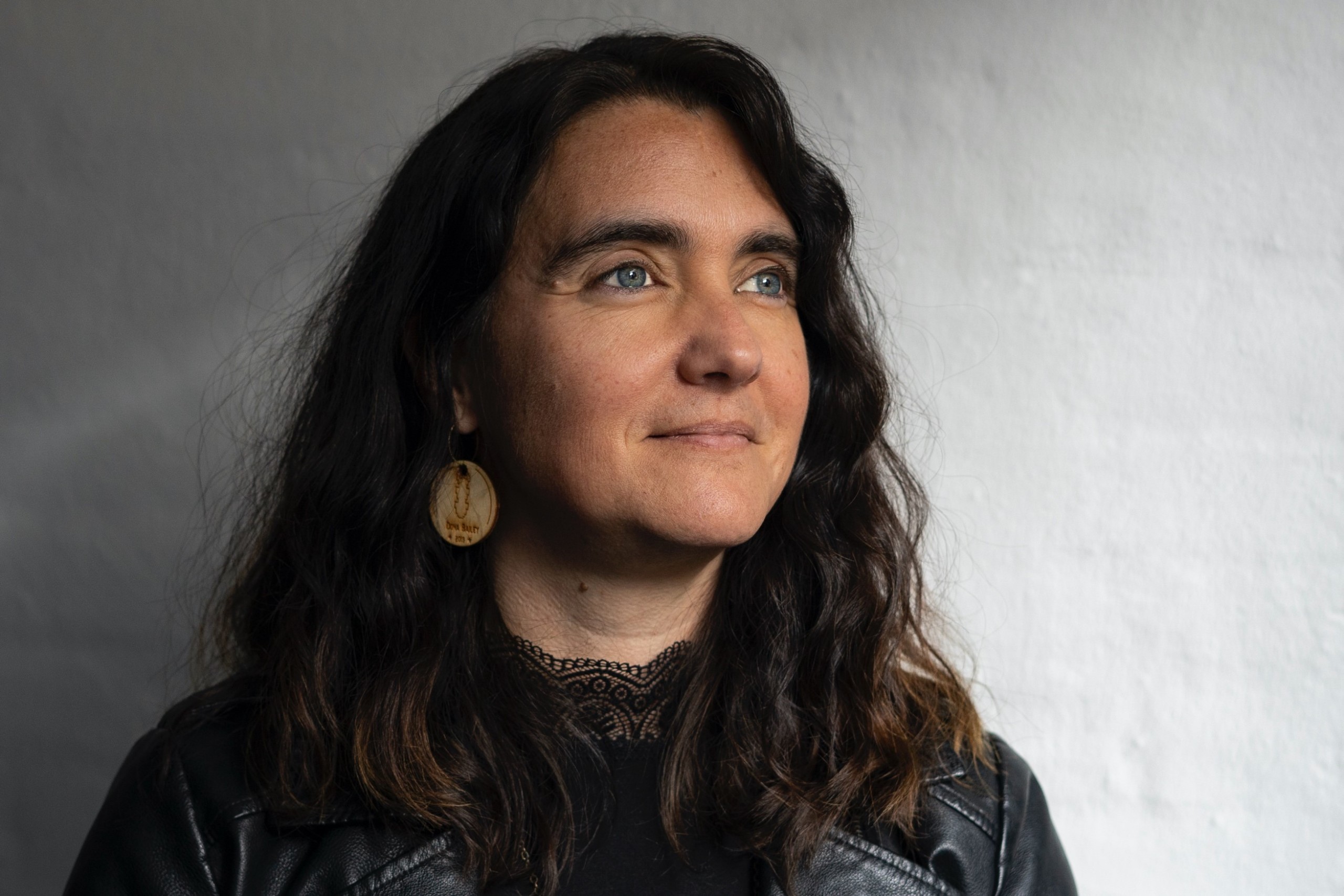
With a grant of DKK 42.3 million from the Novo Nordisk Foundation, SCIENCE is establishing a new Makerspace designed to strengthen innovation capacity and create entirely new settings for practice-based teaching - exploring how something special happens when you work with materials and prototypes - when complex concepts take physical form. How should we make a creative learning environment that uses learning-through-making as a strategy; a space that makes it possible to experience computer science as a discipline in new ways; an open and experimental learning environment - a place where students, educators, and researchers can meet and explore ideas together across disciplines.
1220-1235 Hans Christian Asmussen - DMJX Kreativ Kommunikation, Bestyrelsesmedlem Designskolen Kolding, Designnævnet og Forbundet Arkitekter Og Designere
Teaching Creativity in the age of AI
Prompting - but what about the creative process prior?
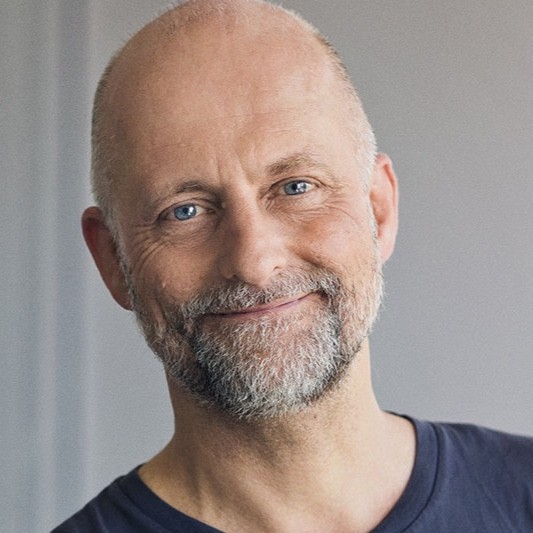
1330-1405 Sebastian Aristotelis, lead architect and co-founder of SAGA Space Architects
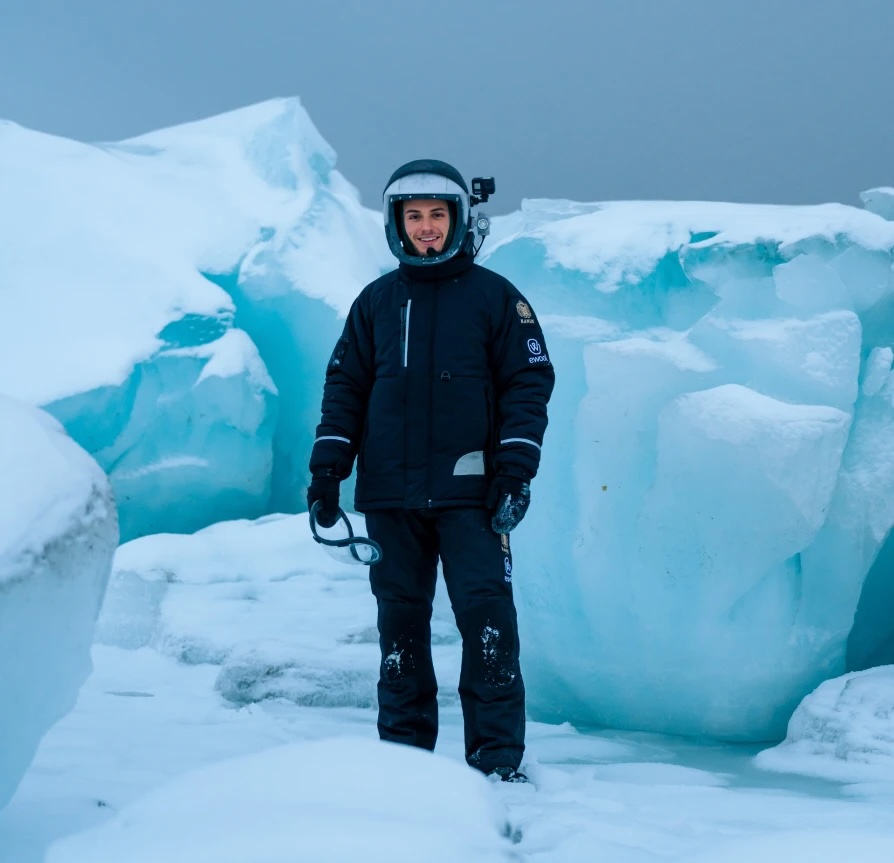
Sebastian Aristotelis is the lead architect and co-founder of SAGA Space Architects, which specializes in 3D printed architecture and habitation for outer space. SAGA has built projects in Asia, the Middle East, Latin America, Europe, and Northern Greenland. For the past 1200+ days SAGA's first payload: a circadian light, has been on orbit on the International Space Station.
Sebastian was part of the two-man crew on the LUNARK expedition where he spent 100 days in isolation by the North Pole, in a Prototype Space Habitat. SAGA has won several awards and holds numerous world records for its architecture, such as the tallest 3D printed plastic structure at 7 meters tall. He was also selected as Forbes 30 under 30 and one of the top 100 young talents in Denmark.
Most recently, SAGA and 3DCP Group have finished 3D-printing Skovsporet, a student village in Holstebro, Denmark, consisting of 36 ground-level apartments. The project is among the world's largest 3D-printed housing developments and is Europe’s largest 3D-printed housing development. It uses lower-carbon concrete for the primary structures and cement-free MEVOcem for the bicycle shed, pushing the possibilities of concrete-based additive manufacturing.
1410-1440 Lasse Antoni Carlsen - Reframing Farming and Fabrication - Mushrooms in the city
Can human making move from extraction to transformation, deepening the biosphere and creating the conditions for more life on Earth?
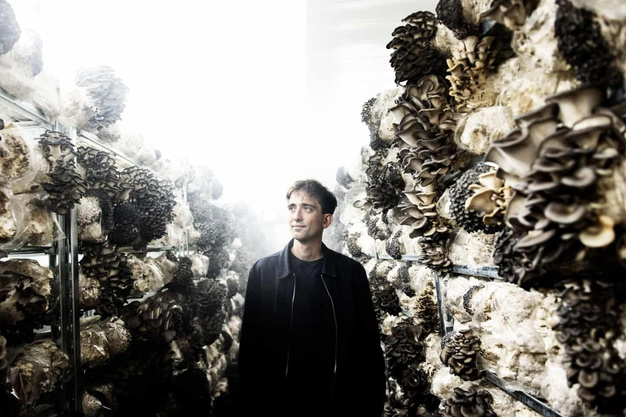
For more than a decade, Lasse Antoni Carlsen has used making to challenge how we produce food and work with living systems. From urban growing, aquaponics and open biofabrication, he went on to build a commercial mushroom farm producing hundreds of kilos of food a day from just 300 square metres. Today, his work spans the Nordic mushroom industry, connecting growers, substrates, biomass, knowledge and production practices to help build the infrastructure for a different food system.
In this talk, Lasse connects that journey to the history of technology and the maker movement. The plough helped create the surplus on which cities and civilisation were built, while increasingly specialised production has also distanced us from our means of subsistence and our ability to grow, repair and fabricate for ourselves. The maker movement has begun reclaiming that agency through shared tools, open knowledge and co-creation.
Working with fungi suggests taking that idea further. Fungi can transform residual biomass into food, materials and other useful products and services, while what remains can continue into soils, habitats and further life. They are one lens into a much larger possibility: what happens when co-creation becomes multi-species, and we design as participants in the biosphere rather than outside it?
Drawing on his journey from grassroots experimentation to commercial production and industry building, Lasse asks whether our growing technological capabilities can help us produce better food and materials from less land and existing resources, strengthen self-sufficiency and food security, and release more space for nature.
Can makers move from creators to transformers, using human ingenuity to deepen rather than deplete the biosphere?
1445-1510 Mads Hobye
Learnings from programming with Generative Artificial Intelligence (or Vibe coding) for rapid prototyping, reverse engineering and creative experiments.
Initial thoughts and experiences from exploring the potentials, hitting the limits as a foundation for rethinking ownership, power and our relationship with technology development.
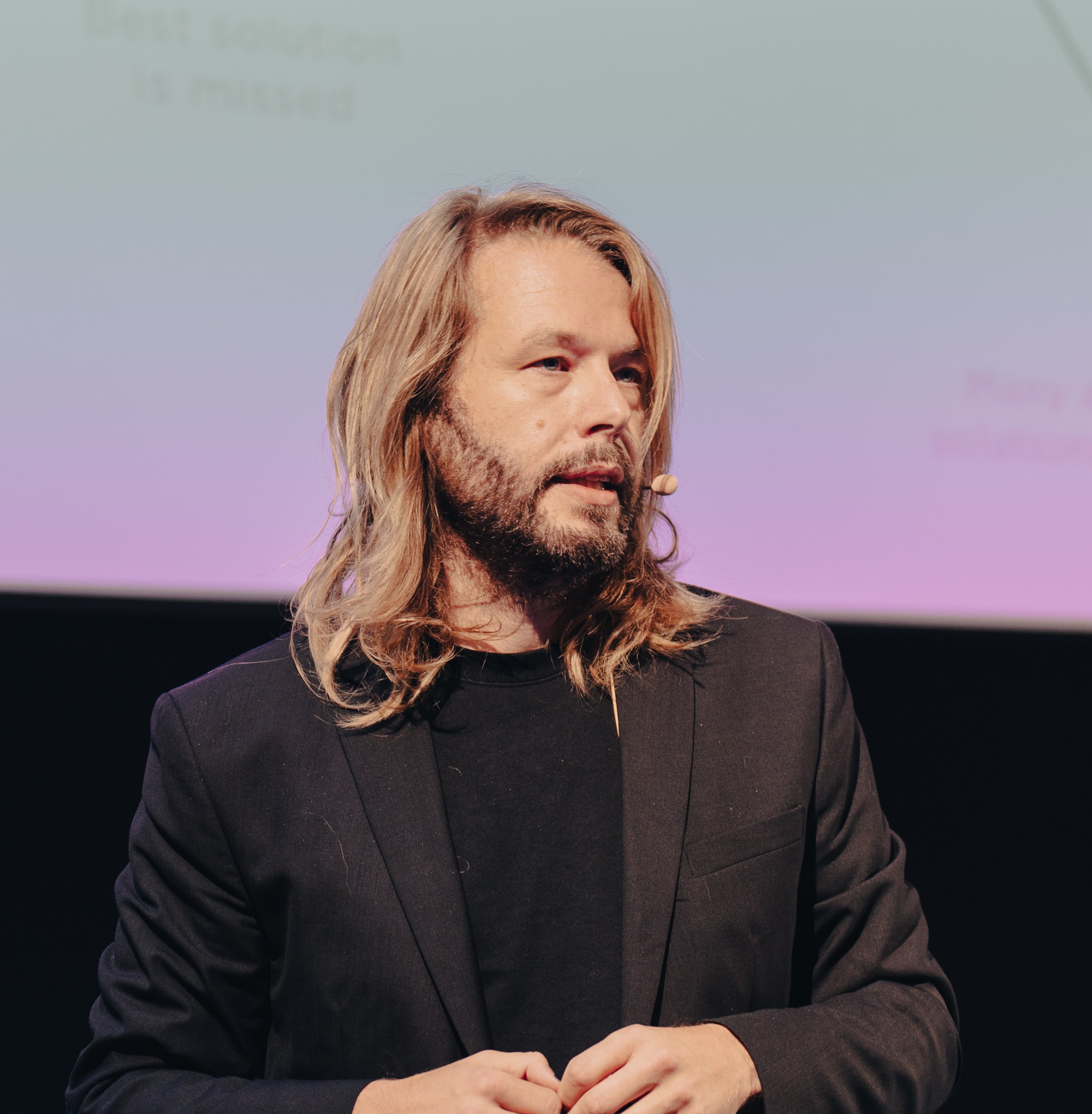
1515-1540 Nicolas Padfield - How Not to Set Your FabLab on Fire - a decade of keeping the doors open
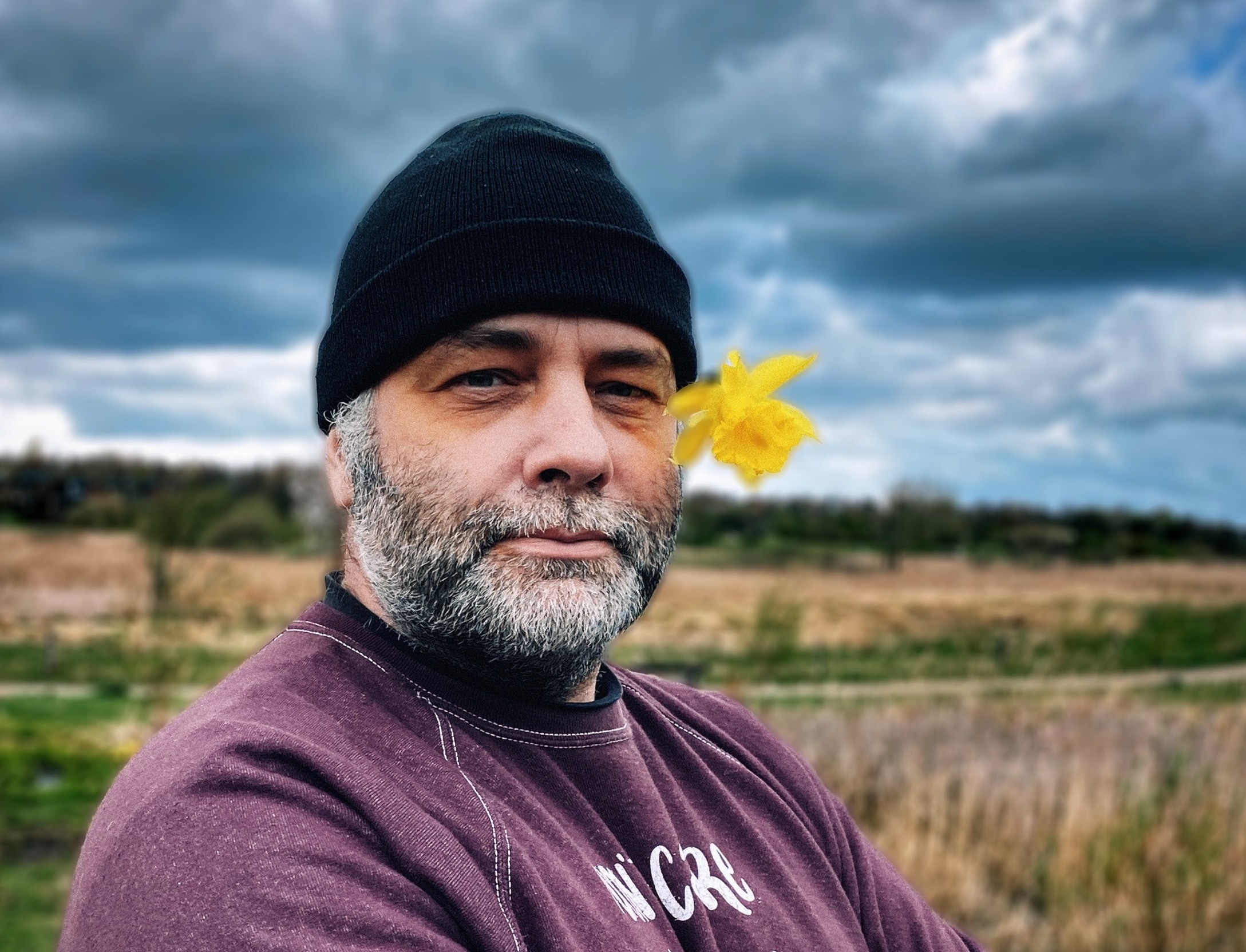
Every Fablab & maker space begins with a promise: come in, experiment, build something. Keeping that promise for ten years without burning out, burning down, or quietly turning into a locked cabinet of expensive machines is a different matter. How do you facilitate creativity without controlling it?
This talk is a collection of honest stories about what went well, what went wrong (there are pictures of fire trucks), what quietly went right, and the small habits, rituals, lessons, mistakes and design choices that turn a room full of tools into a community. It’s about facilitation, trust, safety, community and learning-by-making.
1545-1700 Maker summit - make, meet and connect. Free pizza, PechaKucha sessions, networking and socialising
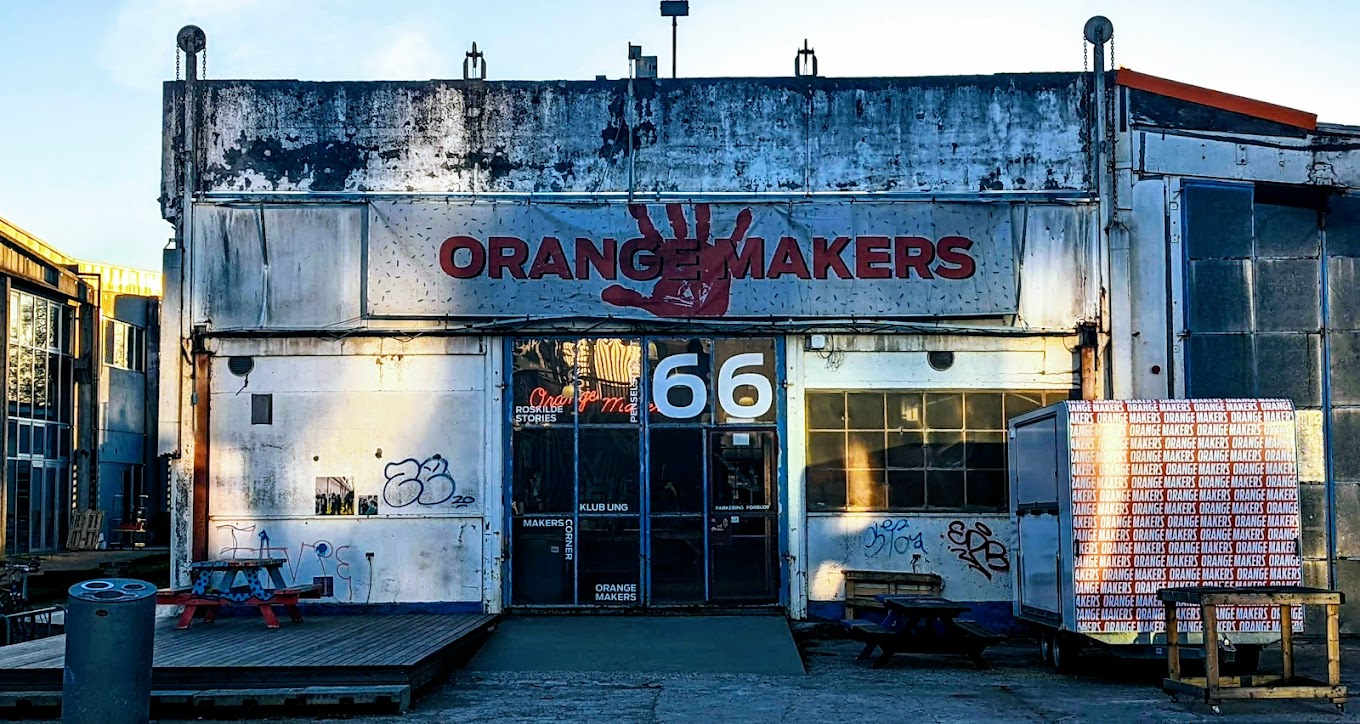
Interested in FabLabs, Makerspaces, citizen making or Orange Makers? Come join us!
Whether you run a FabLab, build things in your garage, teach through making, work with citizen innovation, or are simply curious about where all this is heading — come along, grab some pizza and meet your fellow makers.
Make things. Make connections.
Maker Summit and community open soap box
Connect with other Makers and participate in a Pecha Kucha-like soapbox session, where we invite all attending Fablabs and Makerspaces to contribute 5-minute presentations on something your space has solved or excels at, so we can all be inspired by and learn from each other.
The format is informal and open, allowing space for a wide array of makers to share their knowledge, experiences and ideas. During this session, we will mingle and have a Pecha Kucha-like open soapbox session, inviting you to contribute with a 5-minute presentation on something you or a maker space has been engaging with over the last year or so. This way, we can all be inspired by and learn from one another. Topics can be anything from:
- Present your maker space and describe how you approach your projects. What is your maker space/project doing at this moment?
- In what ways did you empower people to have more ownership over materials and technology?
- What creative solution and hack did you invent?
- What new solutions to sustainable practices around technology, society and nature did you come up with?
- How do we contribute to reducing material waste?
- How do we upcycle instead of recycle?
- What are the significant challenges you see that we need to tackle?
- What stories do you have to share that inspire us and prompt reflection on our community?
Please consider preparing a brief presentation for the summit. You will have access to a projector with sound to show a few slides or a video. Please also feel invited to demo things physically and send kits, papers, and examples around. Please notify us (Nicolas Padfield nicolasp@ruc.dk) in advance if you plan to present or coordinate with us during the event, so we can ensure a smooth flow and accommodate as many people as possible.
We have an informal afterparty in Orange Makerspace after Grasp is over.
 (Images from GRASP 2024)
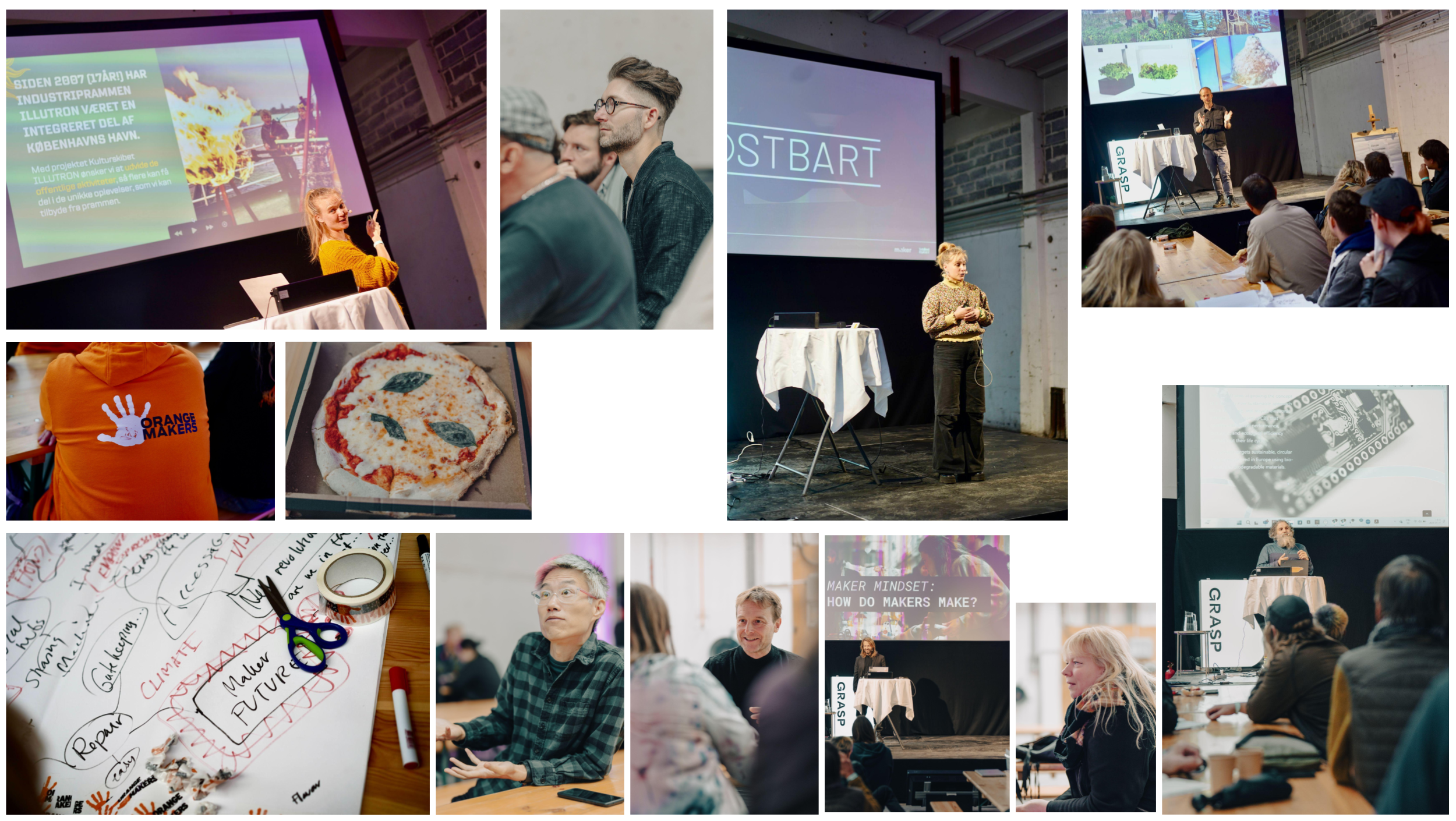 (Images from the 2024 maker summit)
Why:
Making things and fixing things as a citizen practice has, over the last century, been gradually replaced with an increasing number of ready-made products that are maintained and repaired under warranty by the institutions (often corporations) that manufacture them. As much as this transition has led to wider availability and ease of use, it has also led to a disconnect in which we consume products instead of repairing, customising, and modding them based on our personal preferences and life situations. Put simply, knowing what happens under the hood (of a car or phone, etc.) becomes increasingly specialised and exclusive to the production facilities and the engineers educated in it. We need to reestablish a culture where learning and sharing knowledge about their inner workings are embedded practices of citizenship.
One of the countercurrents to this trend is emerging within the maker movement - an umbrella term for engaging constructively with reclaiming ownership of things, technology, and digital fabrication, in the sense of maintaining the skills, knowledge, tools, and rights to design, develop, repair, upcycle, prolong, and repurpose things and solutions. This (sometimes activist) counter-movement does not occur on the streets as noisy demonstrations, but rather in garages, libraries, Fablabs, hackerspaces, and online forums, where practitioners and citizens share insights, best practices, and knowledge about the inner workings of technology with one another.
As part of GRASP's overarching intention to create space for engaging with and challenging our conditions, and to develop sustainable practices for both our living conditions and the environment, Orange Makers and Fablab RUC (two central spaces for this community in Denmark that are located in Roskilde Municipality) are organising this summit to invite makers in Denmark (and the Rigsfællesskab and neighbouring countries) and all festival participants to meet up and connect. It is an opportunity for grassroots practitioners who are part of Makerspaces and Fablabs in local communities, schools, libraries, and universities to exchange knowledge and discuss how the Maker movement can contribute to solving global problems, as well as learn best practices from one another.
Maker Summit is an opportunity for grassroots practitioners who run Makerspaces and Fablabs in local communities, schools, libraries, and universities to exchange knowledge, discuss how the Maker movement can contribute to solving global problems like climate change, and learn best practices from each other, such as increasing circularity and reducing material waste.
The summit is co-organised by Fablab RUC and Orange Makers as a part of the larger Grasp Festival organised by Roskilde Festival and Roskilde University.
GRASP Festival is 1st - 3rd October 2026 at Musicon (with Roskilde Festival, Roskilde Festival High School, Roskilde University, Fablab RUC, Orange Makers, Ragnarock) in Roskilde. GRASP is an exciting, inspiring knowledge festival and conference that mixes research, art, activism and practice. Art, research, activism and practice meet at GRASP. We are looking for new connections that can solve the biggest challenges of our time and create community, creativity and sustainable change.